The Agency

Project Overview

We were approached by The Agency Legal Talent, the specialist legal recruitment arm of The Agency, a boutique recruitment firm based in the Cayman Islands. The Agency Legal Talent matches legal professionals, from Legal Secretary to Partner level, with leading offshore law firms across the Cayman Islands, Bermuda, the British Virgin Islands, the Channel Islands and London. They came to us with an urgent problem: previous developers had left their website in an unusable state. Broken pages, unreliable functionality and a fragile WordPress build meant the site was holding the business back rather than supporting it. Our task was to save it.

Our core focus:

Redesigning the website & solving complex integration problems

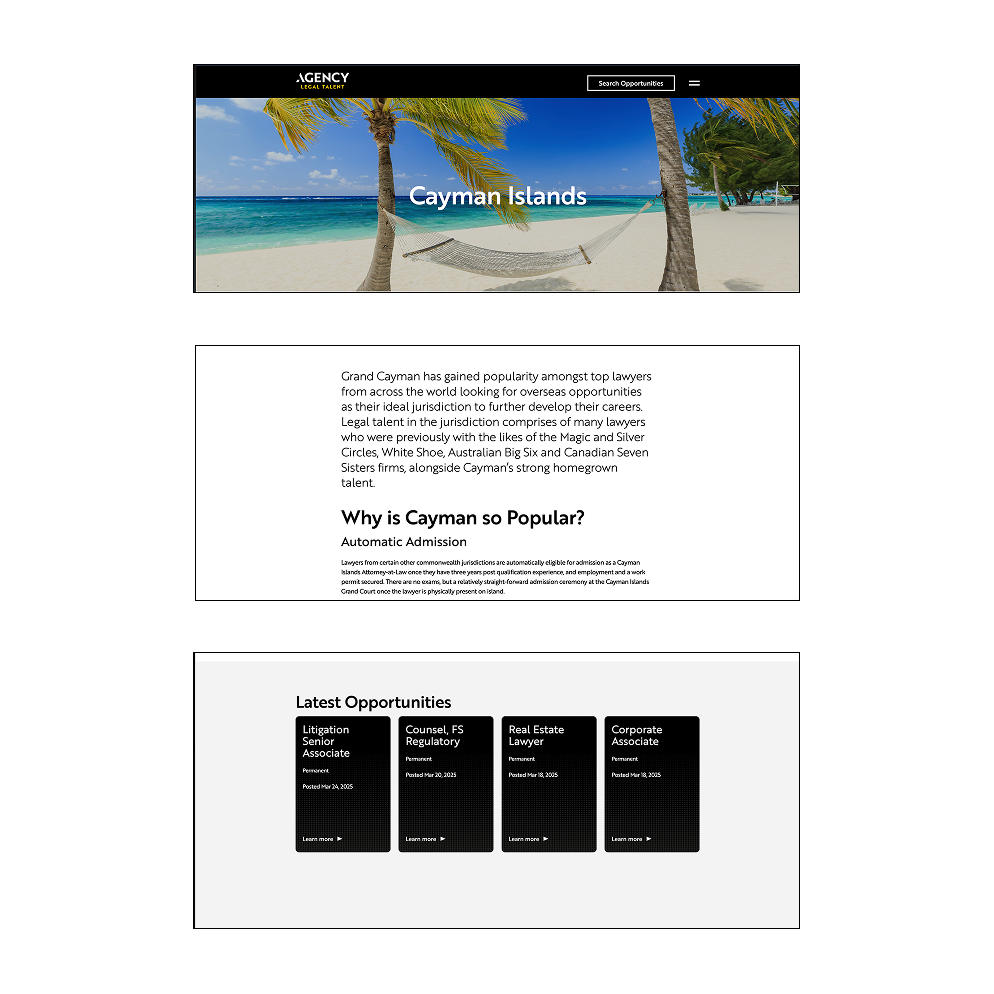
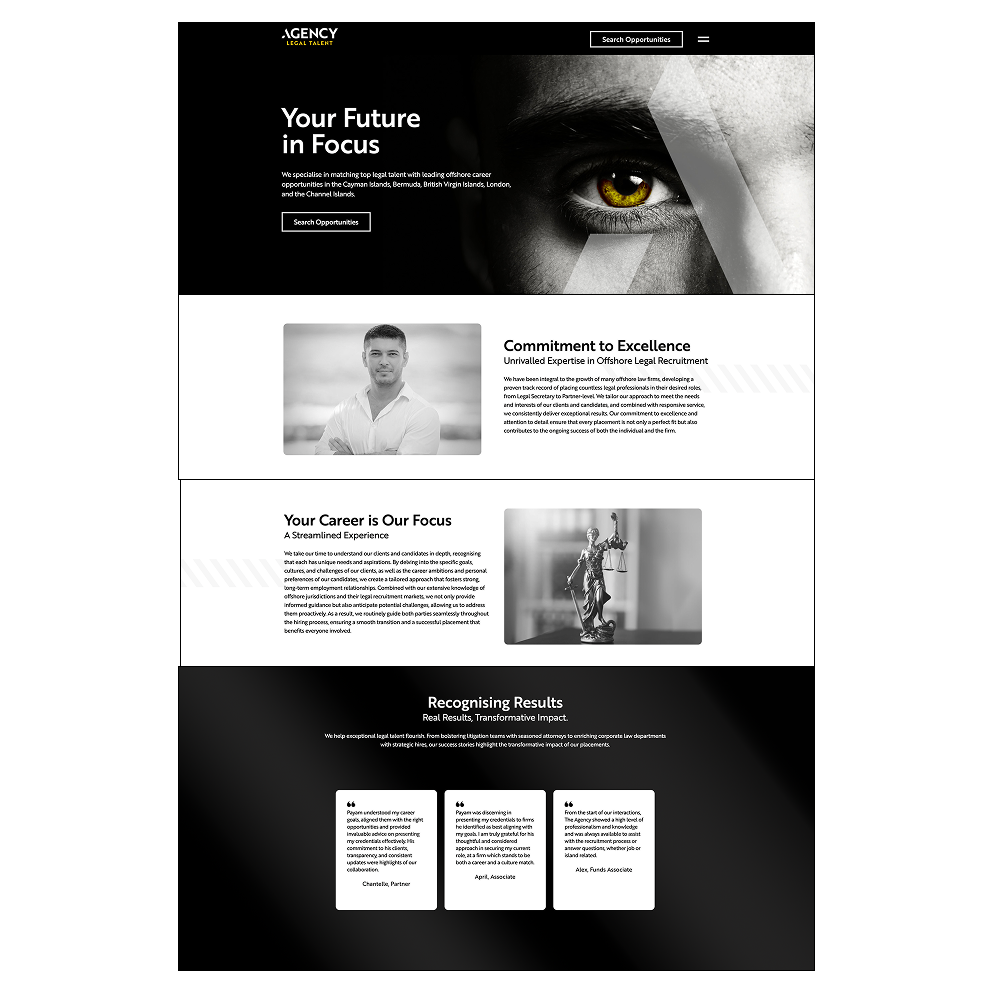
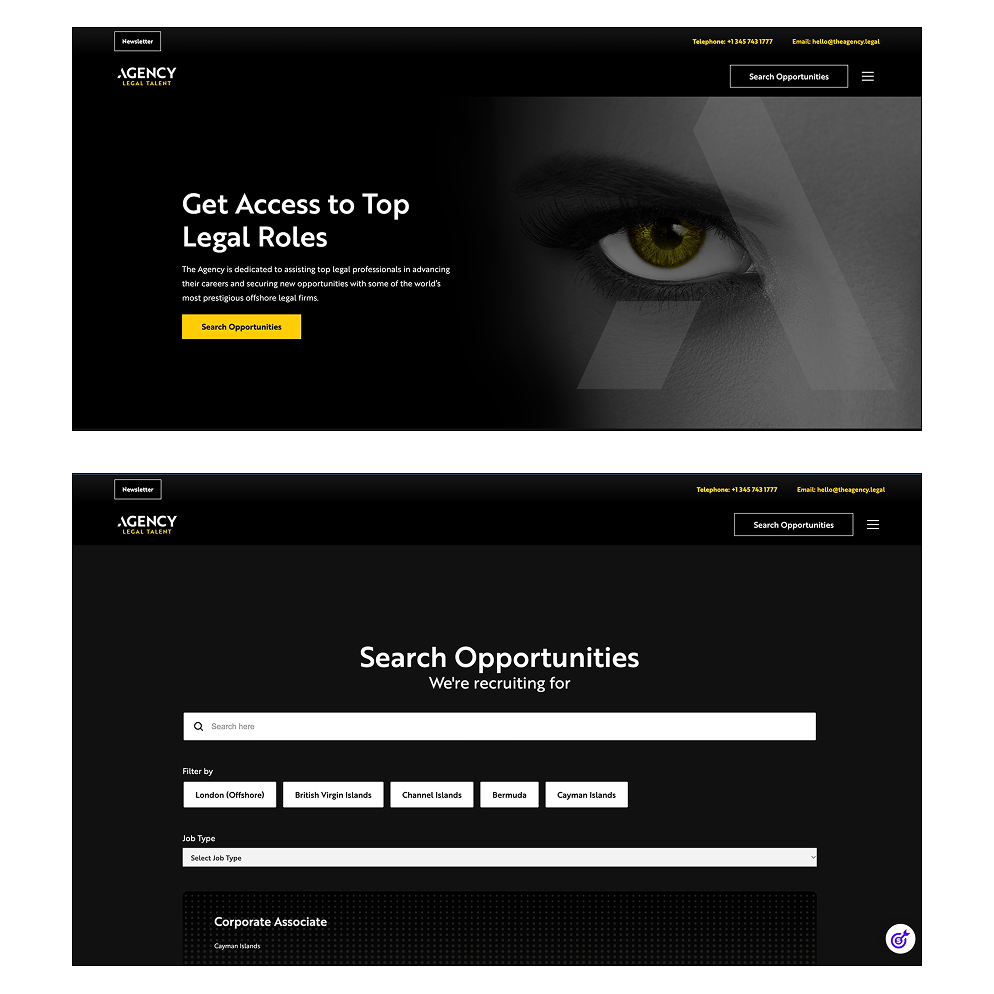
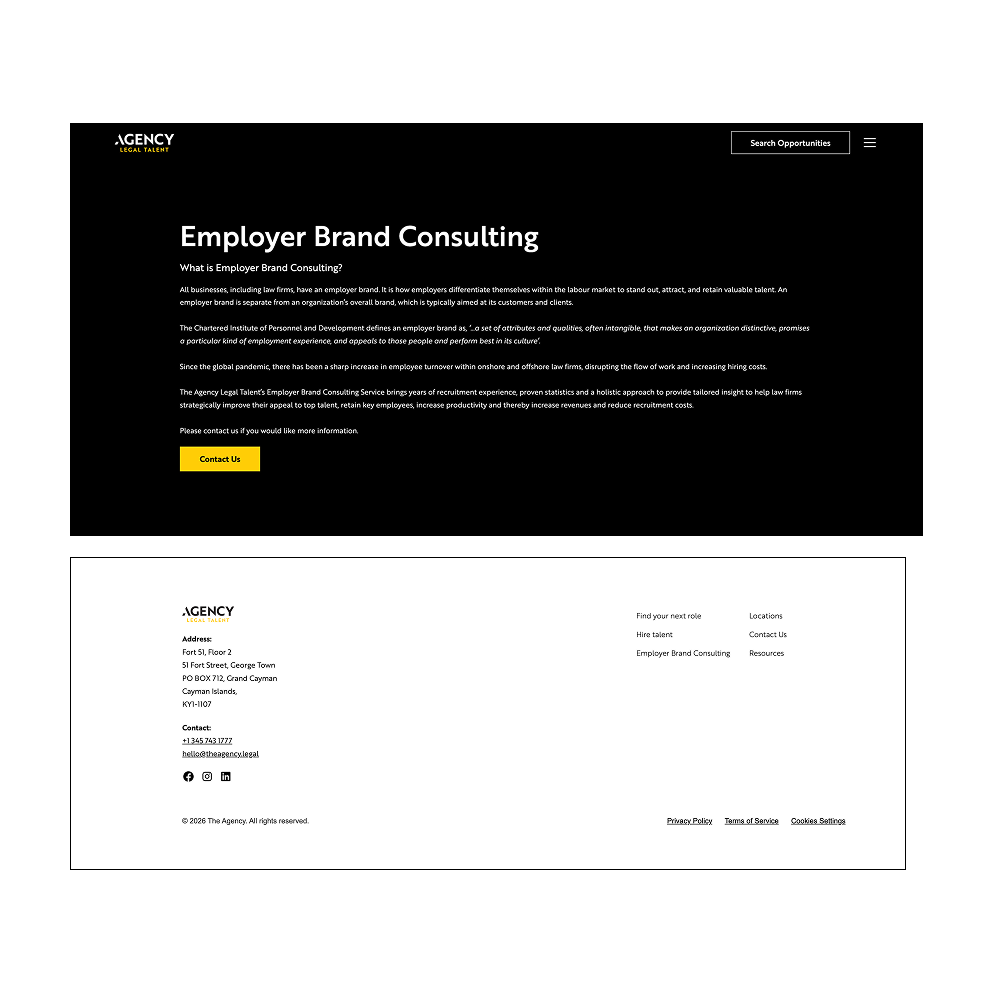
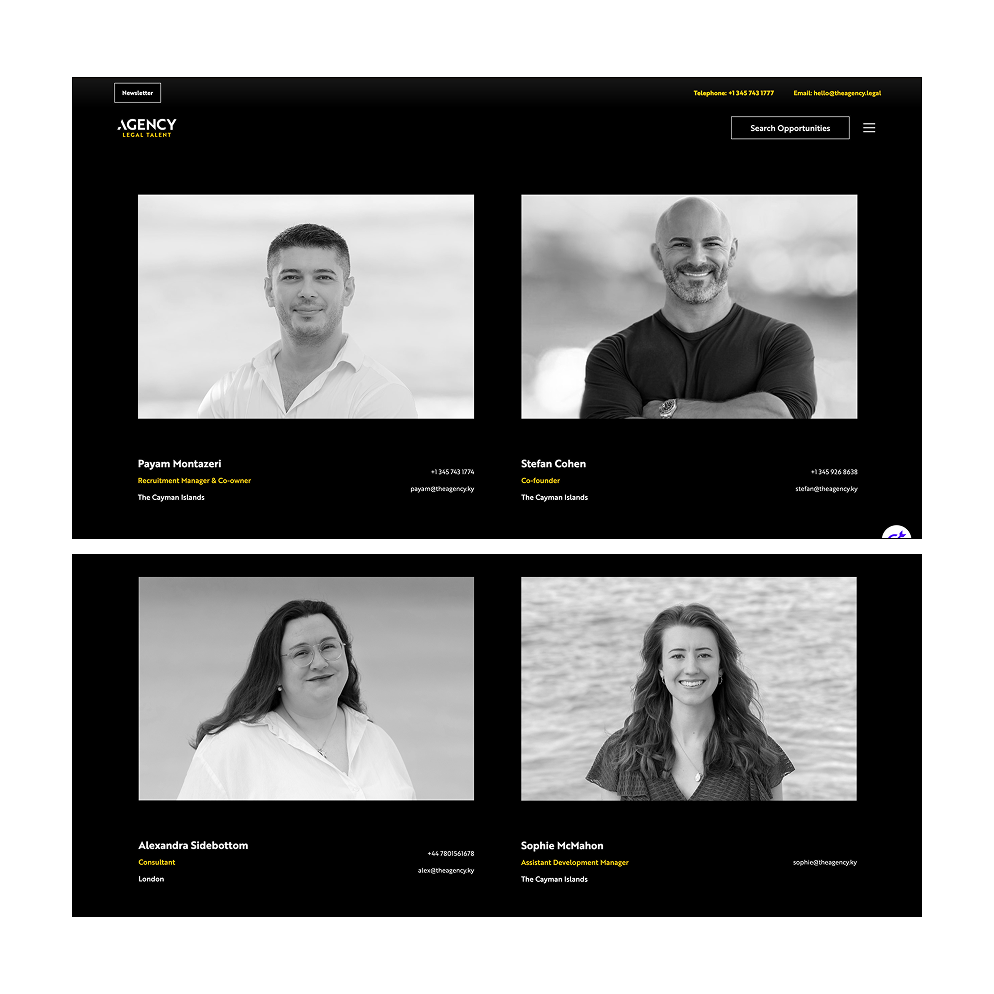
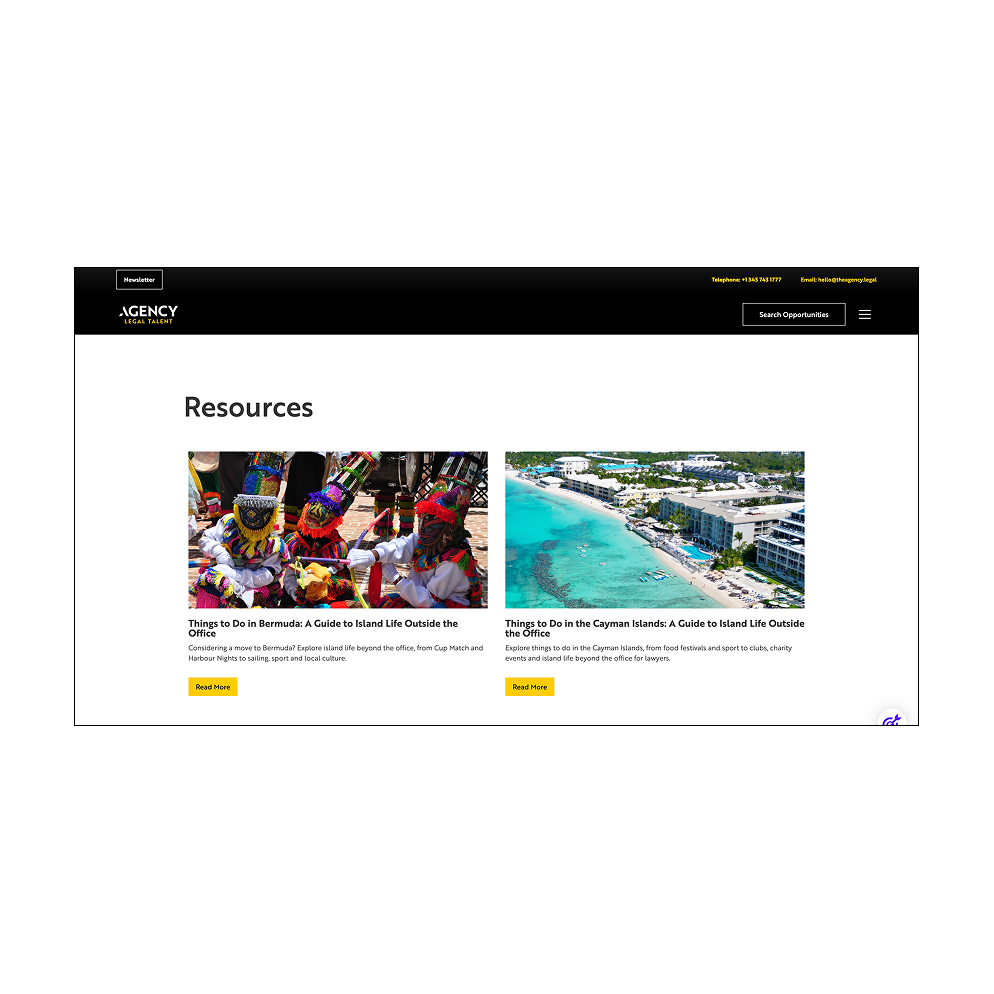
In just 6 weeks, we rebuilt the site from the ground up in Webflow, giving the team a stable platform they could finally manage with confidence. The most complex part of the work was reconnecting their recruitment platform, rebuilding the integrations so live roles flowed into the site reliably. Along the way, we reworked the job search experience, making it faster and easier for candidates to filter, find and apply for the right roles across every jurisdiction.Throughout, we kept the established brand identity intact, so the site stayed consistent with The Agency's wider family. This wasn't a rebrand. It was about giving an existing brand the working, well-built home it deserved.

Core tasks

Stakeholder Meetings

Asset Gathering

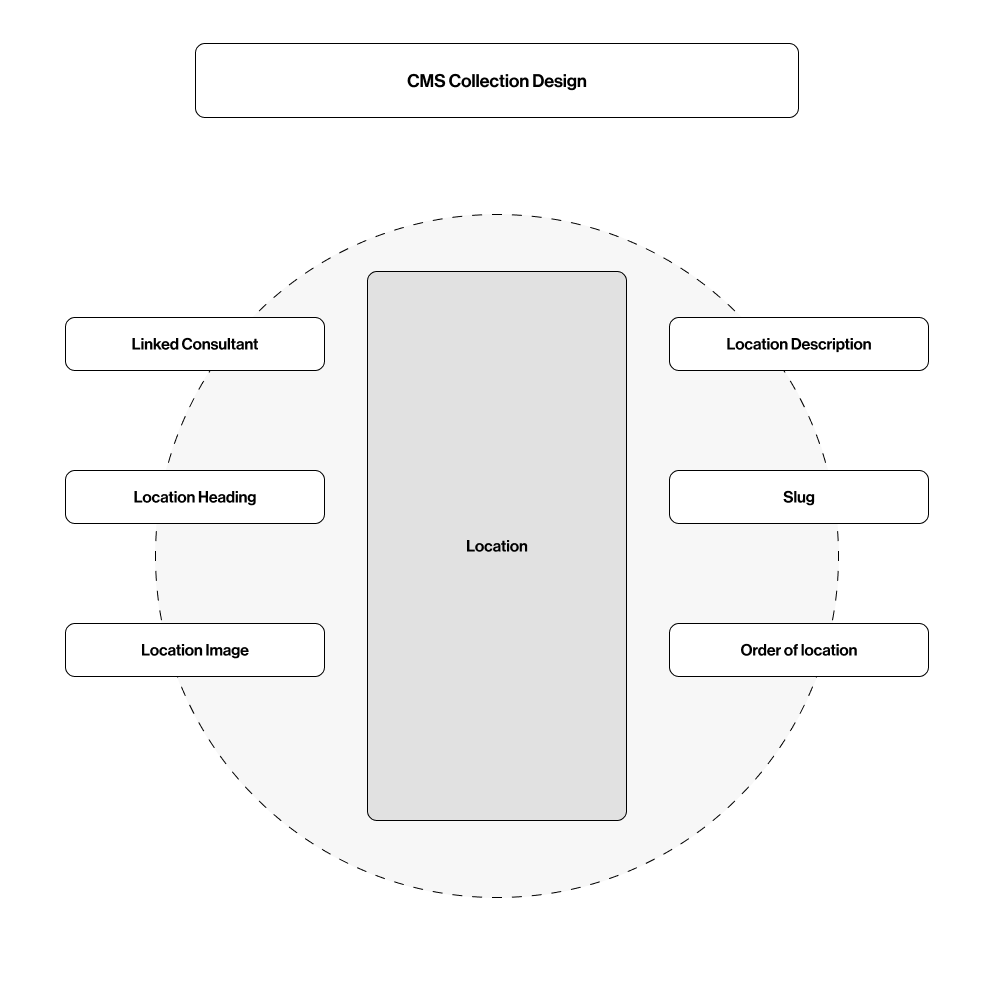
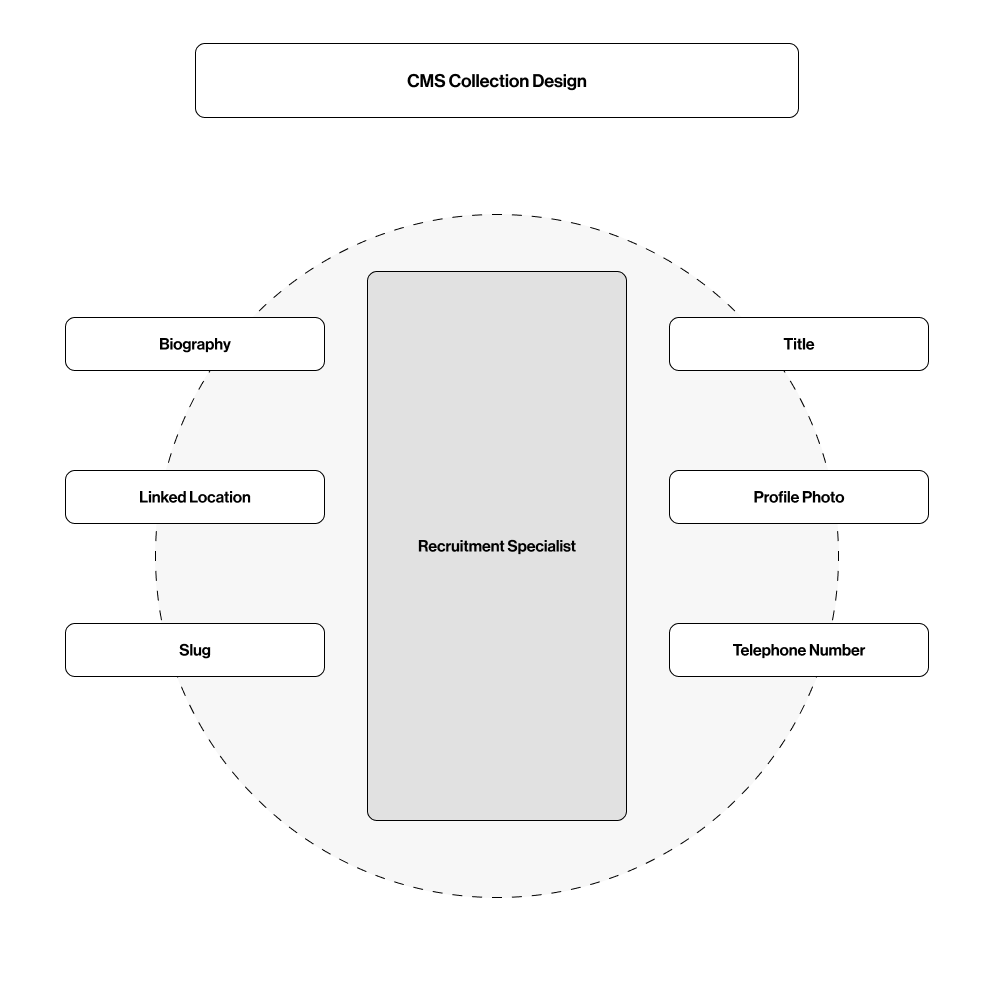
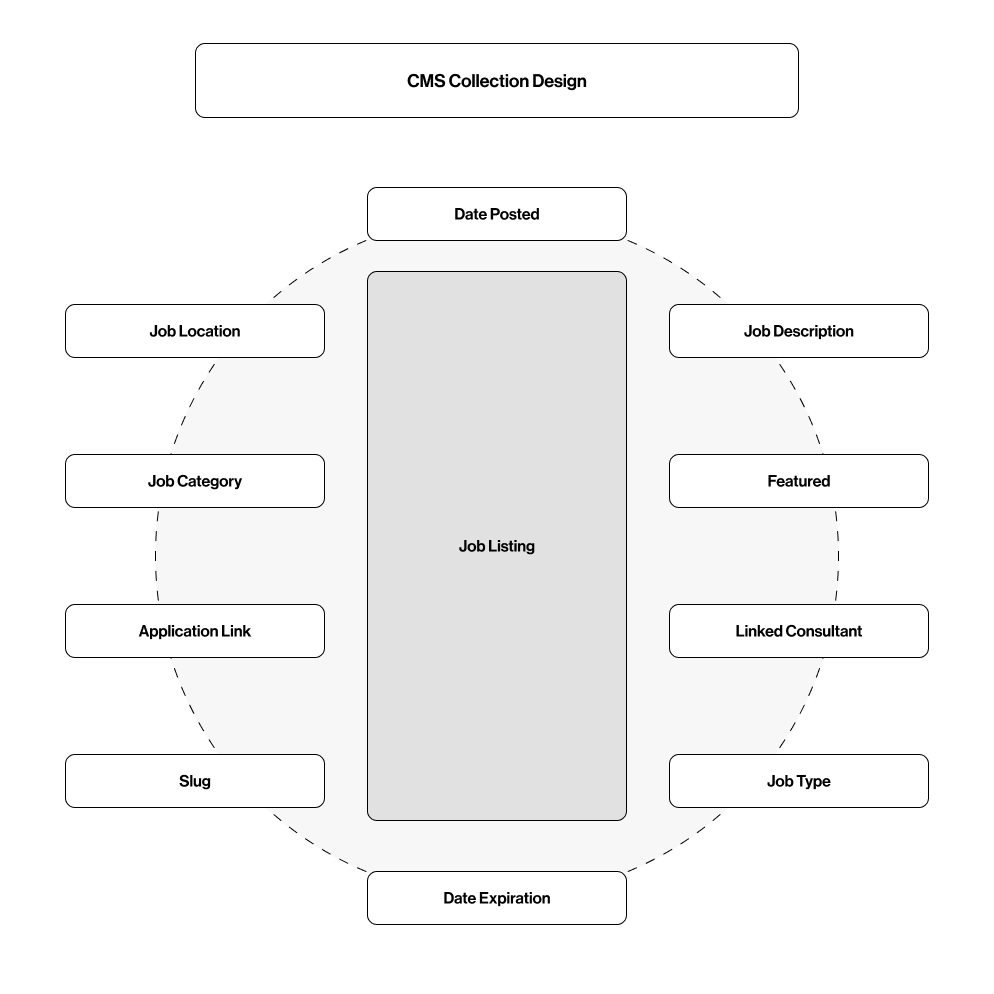
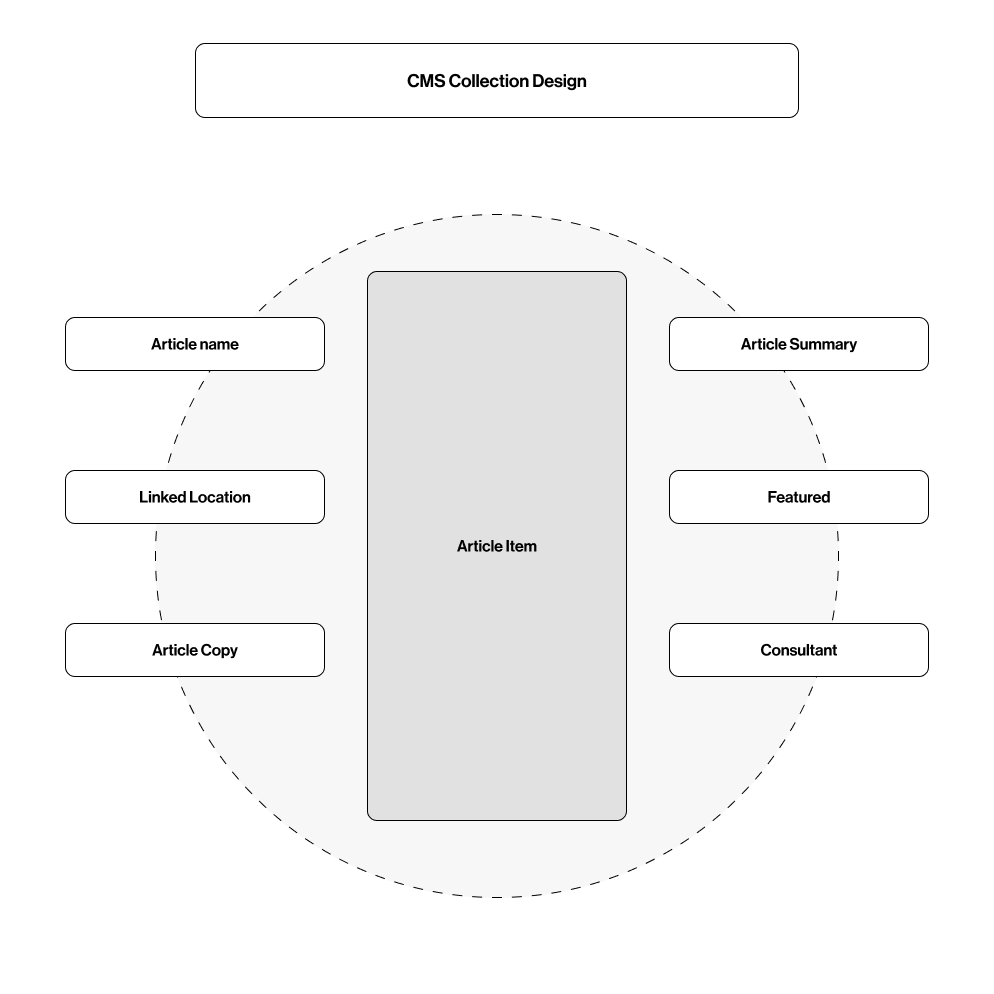
CMS Design

Website Recreation

Figma Prototype

WebFlow Development

Key challenges

The Agency needed more than a new website. They needed one that worked, and it had to be delivered within a tight budget. That meant every hour had to count. We prioritised the fixes and features that would have the greatest impact on candidates and clients, rather than rebuilding everything for the sake of it.

The technical challenge sat beneath the surface. The recruitment platform, the website and the job data each worked in their own way, and none of them had been built to work together. We designed the CMS structure in Webflow from scratch, mapping how roles, locations and practice areas related to one another so that data from the recruitment platform could be read, organised and displayed correctly. Getting these systems to communicate reliably took careful planning, repeated testing and a fair amount of problem-solving. The result was a set of connected systems that keeps the site accurate without constant manual work.

Understanding the Systems

Before rebuilding anything, we needed to understand exactly what we were working with. We audited the existing WordPress site, traced how the recruitment platform delivered its job data, and identified where and why things had broken down. This gave us a clear picture of what could be carried forward, what needed to be replaced, and how each part of the setup needed to connect in the new build.

Database and Assets

With a full understanding of how the systems fitted together, we turned to the foundations. We built the Webflow database to handle live roles, jurisdictions and practice areas, structured so new data would slot in automatically. We also gathered the brand assets, imagery and content from the old site, making sure everything was in place and true to The Agency’s identity before development began.

Website Build and Training

With the data and assets ready, we developed the new site in Webflow, connecting it to the recruitment platform and refining the job search so candidates could find relevant roles quickly. Once the site was live, we trained The Agency's team to manage it themselves, from updating content to keeping pages current. The result is a reliable, easy-to-manage website that the team can run with confidence as the business grows.

Deconstructing & Wireframing

Our objective:

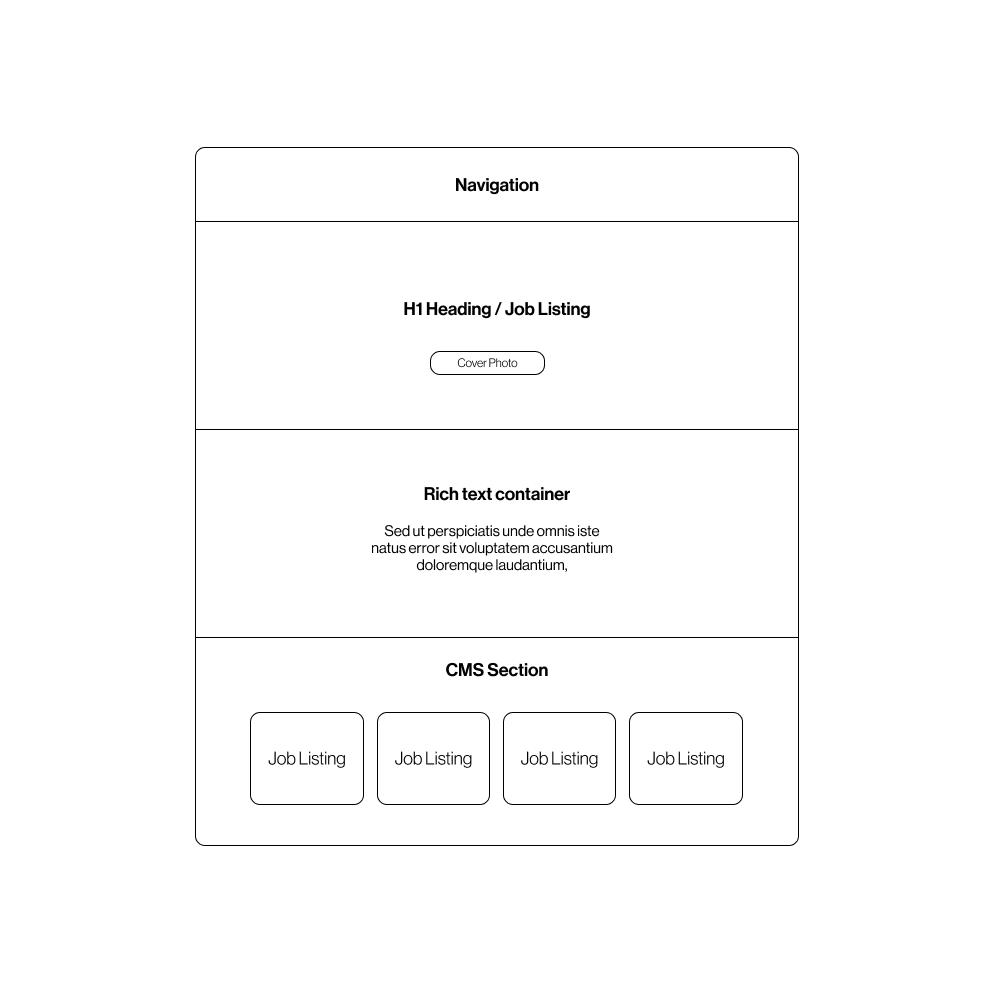
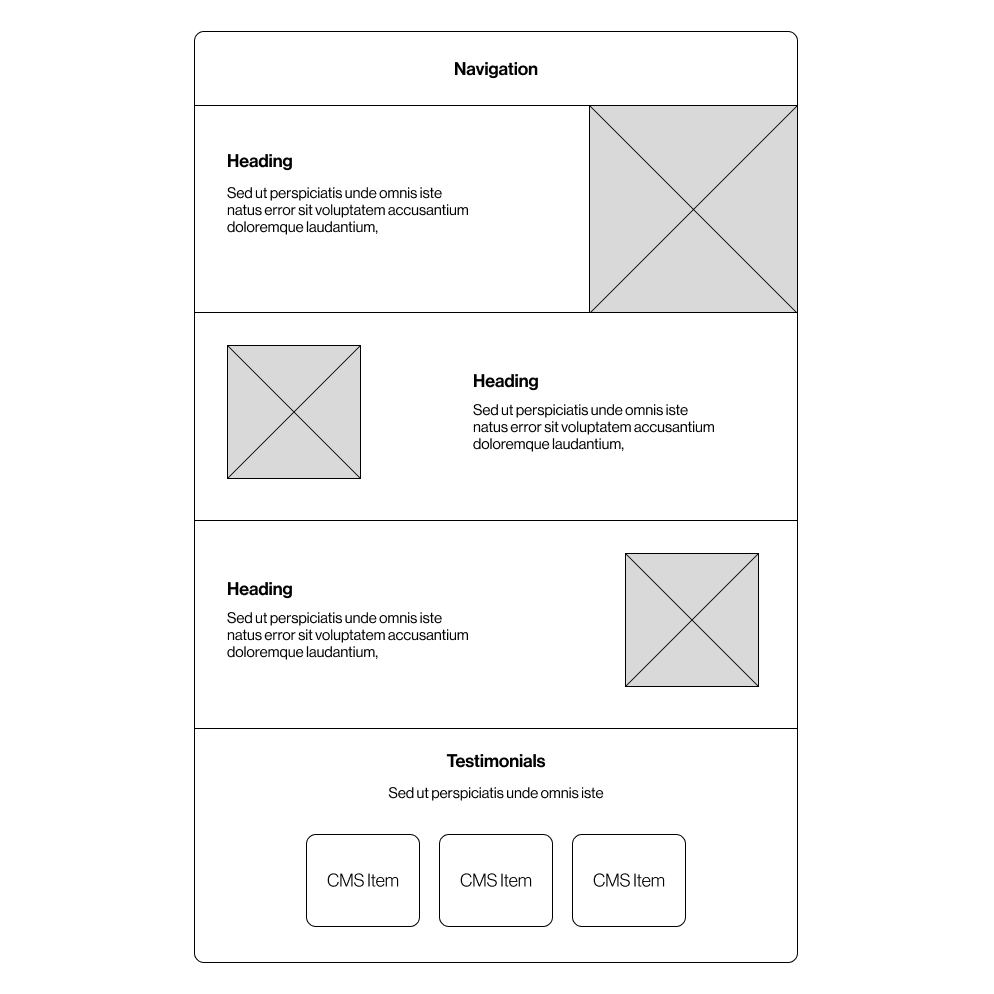
We began with interviews with key stakeholders at The Agency Legal Talent to understand their requirements, from how candidates searched for roles to what the team needed to manage day to day. It quickly became clear that rebuilding in Webflow was the right path forward. Using the existing site as a reference, we recreated the wireframes in Figma, which allowed us to account for every page, extract the assets we needed and identify where the user flow could be simplified. This gave us a complete, streamlined blueprint to build from, so that nothing was lost in the move and the candidate journey was clearer than before.

CMS Design

Our objective:

With the site structure defined, our focus shifted to the CMS. We mapped out which content needed to be dynamic and how each collection should be structured, making sure the fields and relationships between collection items reflected how the recruitment platform itself organised its data. To connect the two, we designed a custom background tool that extracts new data as it's added to the recruitment platform and automatically publishes it as collection items on the site. This kept the website in sync with the platform without any manual updates from the team.

WebFlow Development

Our objective:

With the blueprint in place, we brought everything together in Webflow. We designed and built a clean front-end interface around the new database, connecting it to the recruitment platform so live roles appeared automatically and accurately. The job search was a key focus: we streamlined the filters and results so candidates could find relevant roles by jurisdiction, practice area and seniority in just a few clicks. Every page was built to be fully responsive, giving lawyers a consistent experience whether they were browsing at their desk or on the move. After thorough testing, we launched the new site and resolved the issues that had held the business back. The impact was felt on both sides: The Agency's team gained a site that was simpler to run and freed up time for their core work, while candidates benefited from a faster, smoother route to their next role.

Final Throughts

Project Summary

Working on this project was a genuinely pleasant experience. The integration with the recruitment platform brought its fair share of challenges, from mapping data between systems to making sure content flowed into the site reliably, but we worked through each one methodically until every piece was running as it should. Solving those problems gave us a much deeper understanding of how Webflow's CMS works behind the scenes, from structuring collections to automating how content gets in. We're proud of what we delivered, and we came away with knowledge that will make every CMS-driven build we take on stronger.